Welcome, fellow beauty enthusiasts! If you’ve ever felt a little intimidated by the vast, colorful world of Eye Shadow, you’re certainly not alone. As someone who has spent over 15 years immersed in the art and science of eye makeup, I can tell you that eye shadow is far more than just a pop of color – it’s a powerful tool for self-expression, a way to enhance your natural beauty, and even a secret weapon for boosting your confidence. Here at Ceubc.com, we believe that understanding eye shadow is the first step to truly owning your look. Whether you’re a complete beginner eager to learn the basics or a seasoned pro looking to refine your techniques, this comprehensive guide will equip you with all the knowledge you need to master eye shadow safely and effectively.
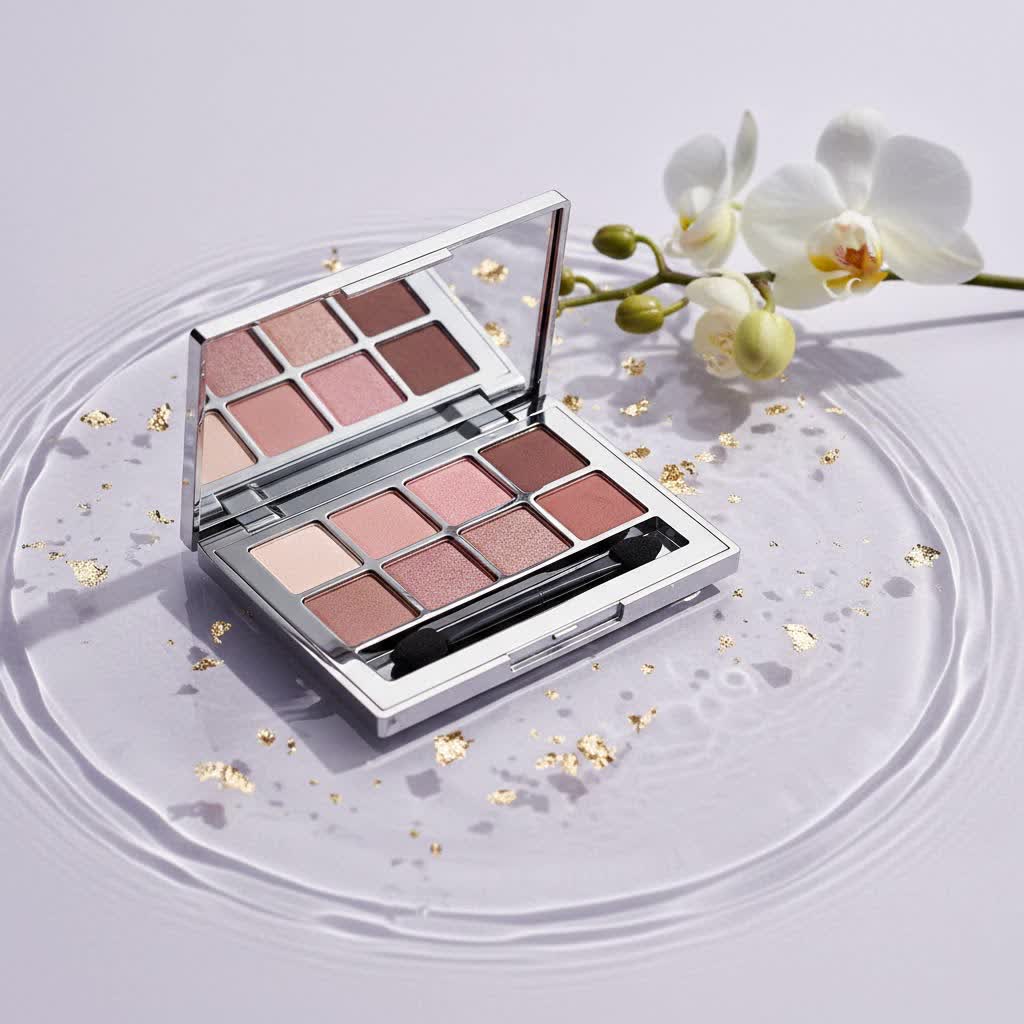
Understanding Eye Shadow: More Than Just Color
At its core, eye shadow is a cosmetic applied to the eyelids and under the eyebrows to make the wearer’s eyes stand out or look more attractive. But dive a little deeper, and you’ll discover a fascinating array of types and finishes, each offering unique possibilities for your makeup artistry. Knowing these differences is key to choosing the right products for your desired look and ensuring your eye shadow performs exactly as you intend.
The Different Types of Eye Shadow
When you walk down the makeup aisle, the variety of eye shadow formulations can be overwhelming. Let’s break down the most common types:
- Powder Eye Shadow: This is the most popular and versatile type, coming in pressed compacts or loose pigment form. It’s easy to blend, buildable, and offers a wide range of colors and finishes. Powder eye shadow is excellent for creating both soft, diffused looks and dramatic, sharp lines.
- Cream Eye Shadow: Offering a smoother, often more intense color payoff, cream eye shadow is fantastic for quick, effortless looks or as a base for powder shadows to enhance vibrancy and longevity. They come in pots, sticks, or tubes and are best applied with fingers or synthetic brushes.
- Liquid Eye Shadow: These are typically found in a tube with a doe-foot applicator, similar to lip gloss. Liquid eye shadow dries quickly, offering long-lasting, often metallic or glittery finishes. They’re perfect for a quick, impactful wash of color.
- Stick Eye Shadow: Also known as crayon eye shadow, these are incredibly convenient for on-the-go application. They offer precise application and are great for lining or quickly swiping color across the lid.
- Loose Pigment: These are highly concentrated, finely milled powders that deliver intense color and often a metallic or glittery finish. They require a bit more skill to apply (often best with a sticky base) but offer unparalleled vibrancy.
|
Our Picks for the Best Eye Shadow in 2026
As an Amazon Associate I earn from qualifying purchases.
|
||
| Num | Product | Action |
|---|---|---|
| 1 | Julep Eyeshadow 101 Cream-to-Powder Waterproof Shadow Stick – Champagne Shimmer – Long-Lasting, Crease-Proof, Medium Golden-Beige Shimmer Cream Eyeshadow with Built-in Smudger |

|
| 2 | KYDA 4 Colors Nude Brown Eyeshadow Palette, Netural Brown Glitter Eyeshadow, Warm Shimmer Pearl Eyes Shadow, Eyes Palette, Ultra-fine Lightweight, High Pigment Eyes Glitter Makeup |
|
| 3 | e.l.f. Perfect 10 Eyeshadow Palette, Ten Ultra-pigmented Nude Shades, Blendable Formula, Vegan & Cruelty-free, Everyday Smoky (Packaging May Vary) |
|
| 4 | MYSTER ROSEY Nudes 2 Series Mini Eyeshadow Palette, Velvety Matte&Satin Finish, 6 Nude Taupe & Brown Neutral Eye Shadows, Travel Friendly Size, Vegan, Cruelty -free |
|
| 5 | Julep Eyeshadow 101 Cream-to-Powder Waterproof Shadow Stick – Smoky Amethyst Shimmer – Long-Lasting, Crease-Proof, Rich Purple Shimmer Cream Eyeshadow with Built-in Smudger |
|
| 6 | Julep Eyeshadow 101 Cream-to-Powder Waterproof Shadow Stick – Putty Matte – Long-Lasting, Crease-Proof, Neutral & Soft Matte Eyeshadow with Built-in Smudger |
|
| 7 | e.l.f. Perfect 10 Eyeshadow Palette, Ten Ultra-pigmented Shimmer & Matte Shades, Vegan & Cruelty-free, Nude Rose Gold (Packaging May Vary) |
|
| 8 | Julep Eyeshadow 101 Cream-to-Powder Waterproof Shadow Stick – Pearl Shimmer – Long-Lasting, Crease-Proof, Light Golden-Beige Shimmer Cream Eyeshadow with Built-in Smudger |
|
| 9 | Julep Eyeshadow 101 Cream-to-Powder Waterproof Shadow Stick – Taupe Shimmer – Long-Lasting, Crease-Proof, Soft Grey Shimmer Eyeshadow with Built-in Smudger |
|
| 10 | Julep Eyeshadow 101 Cream-to-Powder Waterproof Shadow Stick – Rose Shimmer – Long-Lasting, Crease-Proof, Pearlescent Rose Shimmer Cream Eyeshadow with Built-in Smudger |
|
Exploring Eye Shadow Finishes
Beyond the type, the finish of your eye shadow dramatically changes the final look. Here are the main players:
- Matte: These shadows have no shine or shimmer, providing a flat, opaque color. They are essential for creating depth, contouring the eye, and achieving sophisticated, understated looks.
- Shimmer/Satin: Offering a subtle sheen without noticeable glitter particles, shimmer and satin finishes add a soft glow to the eyes. They’re perfect for highlighting the lid or inner corner.
- Metallic: These finishes have a high-shine, foil-like appearance, mimicking the look of liquid metal. They are excellent for dramatic impact and catching the light.
- Glitter: Packed with visible glitter particles, these shadows provide intense sparkle and are ideal for festive occasions or adding a playful touch. They often benefit from a glitter glue to minimize fallout.
- Duochrome: A truly mesmerizing finish, duochrome shadows shift colors depending on the angle of the light, creating a multi-dimensional effect that is truly captivating.
Choosing Your Perfect Shades: A Splash of Color Theory
Selecting the right eye shadow colors might seem daunting, but it becomes much simpler when you understand a little bit of color theory. It’s not about strict rules, but rather about guiding principles that help you enhance your natural features and express your personal style.
Matching Eye Shadow to Eye Color
While you can wear any color you like, certain eye shadow shades truly make your natural eye color pop:
- Blue Eyes: Warm tones like coppers, golds, bronzes, peaches, and browns create a beautiful contrast. Purples and warm pinks can also be incredibly flattering.
- Green Eyes: Reds and purples are directly opposite green on the color wheel, making plum, burgundy, mauve, and violet shades stunning choices. Browns, golds, and deep olives also work wonderfully.
- Brown Eyes: Lucky you! Brown eyes are incredibly versatile. Almost any color works, but deep blues, purples, emerald greens, and rich metallics truly make them sparkle. Warm browns and neutrals are always a safe, elegant bet.
- Hazel Eyes: Similar to brown, hazel eyes can pull off many colors. Golds, bronzes, deep greens, purples, and warm browns help emphasize the different flecks of color in your eyes.
Complementing Your Skin Tone
Your skin tone and undertone also play a role in how eye shadow shades appear on you.
- Cool Undertones (pink, red, blue): Opt for cool-toned eye shadows like blues, purples, silvers, grays, and cool-toned browns.
- Warm Undertones (yellow, golden, peach): Earthy tones, golds, bronzes, oranges, warm browns, and olive greens will often be most flattering.
- Neutral Undertones: You can generally wear both cool and warm shades with ease, making you truly versatile!
The Power of Undertones
“Understanding undertones is a game-changer,” says Clara Nguyen, a veteran makeup artist with over two decades in the industry. “It’s not about strict rules, but about finding harmony. A warm brown on someone with cool undertones can look muddy, while a cool-toned plum might appear dull on someone with warm skin. Pay attention to how the colors truly look on you.”
Essential Tools for Flawless Application
You wouldn’t try to paint a masterpiece with just one brush, and the same goes for eye shadow. Having the right tools makes all the difference in achieving a professional-looking finish.
Your Go-To Eye Shadow Brushes
- Fluffy Blending Brush: This is your MVP! A soft, dome-shaped brush is crucial for seamlessly blending colors in your crease and diffusing harsh lines.
- Flat Shader Brush: Ideal for packing color onto the lid, especially shimmers or metallics, for intense payoff.
- Pencil Brush: Great for precise application in the outer V, along the lower lash line, or for highlighting the inner corner.
- Angled Brush: Perfect for applying eye shadow as an eyeliner or for filling in brows.
- Small Detail Brush: For super precise work, like inner corner highlight or intricate designs.
Don’t Forget the Primer!
An eye shadow primer is non-negotiable for lasting eye makeup. It creates a smooth canvas, intensifies color payoff, and most importantly, prevents creasing and fading throughout the day. Apply a thin layer over your entire lid before any eye shadow application.
Mastering Eye Shadow Techniques: From Basic to Breathtaking
Now for the fun part: application! We’ll start with a simple everyday look and then move on to more advanced techniques.
The Everyday Eye: A Simple Guide
For a quick, polished look, follow these steps:
- Prep: Apply a thin layer of eye shadow primer to your eyelids.
- Base: Apply a neutral, matte eye shadow (close to your skin tone) over your entire lid, from lash line to brow bone, using a fluffy brush. This creates an even base.
- Crease Definition: Dip your fluffy blending brush into a slightly darker, neutral matte shade (e.g., a medium brown) and apply it to your crease using windshield wiper motions. Blend well to avoid harsh lines.
- Lid Color: Press a shimmer or satin shade onto the center of your eyelid using a flat shader brush or your finger. This adds a touch of brightness.
- Outer Corner: Take a small amount of a slightly deeper matte shade on your pencil brush and apply it to the outer V of your eye (the outer corner where your lash line meets your crease) to add depth. Blend it gently into your crease color.
- Highlight: Apply a light, shimmery shade to your brow bone and inner corner with a small detail brush.
- Lower Lash Line (Optional): Lightly sweep a bit of your crease color along your lower lash line for a more cohesive look.
Blending Like a Pro: The Secret to Seamless Looks
Blending is the cornerstone of beautiful eye shadow. It’s what makes colors transition smoothly and look professional, rather than patchy.
- Use the Right Brush: A fluffy blending brush is essential.
- Light Hand: Apply light pressure and use circular or windshield wiper motions.
- Build Gradually: It’s easier to add more color than to take it away. Start with a small amount and build up intensity.
- Clean Brush: Keep a clean blending brush handy to soften edges without adding more pigment.
Advanced Techniques: Exploring the Cut Crease and Halo Eye
Once you’re comfortable with the basics, you might want to try these popular techniques:
- Cut Crease: This involves “cutting” a sharp line in the crease, usually with concealer, to create a distinct separation between the lid and crease colors. It allows for a very defined and dramatic look, often paired with bright, contrasting lid shades.
- Halo Eye: This technique involves placing a lighter, brighter shade in the center of the eyelid, surrounded by darker shades on the inner and outer corners. It creates a beautiful, illuminated effect that makes the eyes appear larger and more open.
Making Your Eye Shadow Last: Tips for All-Day Wear
There’s nothing worse than putting in all that effort only for your eye shadow to disappear or crease within a few hours. Here’s how to ensure your eye makeup stays put:
- Always Use Primer: As mentioned, this is your first and most important step.
- Layer Products: For intense looks, apply a cream eye shadow or a colored pencil as a base before layering powder shadows on top. This boosts pigment and longevity.
- Set Cream Products: If you use a cream eye shadow, set it lightly with a translucent powder or a matching powder eye shadow to prevent creasing.
- Setting Spray: A light mist of setting spray over your finished makeup can help fuse everything together and extend wear time.
- Avoid Excess Eye Cream: Too much oil around the eye area can break down your eye shadow. Apply eye cream sparingly and let it absorb fully before applying primer.
Safety and Hygiene: Protecting Your Precious Eyes
Your eyes are incredibly delicate, and proper hygiene is paramount when it comes to eye shadow. Ignoring safety can lead to infections, irritation, or worse.
- Don’t Share Eye Makeup: This is a golden rule! Sharing can transfer bacteria and lead to infections like conjunctivitis.
- Check Expiration Dates: Eye shadow typically lasts 12-24 months after opening. Pay attention to the PAO (Period After Opening) symbol on the packaging.
- Wash Your Brushes Regularly: Clean your eye shadow brushes at least once a week with mild soap and water or a brush cleanser. Dirty brushes harbor bacteria and can also make your application patchy.
- Never Add Water to Mascara/Eye Shadow: If a product dries out, replace it. Adding water can introduce bacteria and compromise the product’s formula.
- Discard After Eye Infections: If you get an eye infection, throw away all eye makeup you used during that time to prevent reinfection.
- Patch Test New Products: If you have sensitive skin, always do a patch test on a small area of skin before applying a new product to your eyes.
Expert Insights: What the Pros Say
“The biggest mistake I see people make with eye shadow isn’t about color choice, it’s about not blending enough,” states renowned makeup artist, Emilia Rossi. “Blending is like polishing a gem – it brings out the true beauty of the colors and makes the entire look cohesive. Invest in good blending brushes and take your time; it truly makes all the difference.”
Frequently Asked Questions (FAQ)
How do I prevent eye shadow from creasing?
The most effective way to prevent eye shadow from creasing is to always use an eye shadow primer. A good primer creates a smooth, oil-absorbing base that helps your eye shadow adhere better and last longer, even on oily eyelids.
What’s the best way to remove eye shadow without irritation?
Use a gentle, oil-based eye makeup remover or micellar water specifically designed for eye makeup. Soak a cotton pad and gently press it over your closed eyelid for a few seconds before sweeping downwards, avoiding harsh rubbing to prevent irritation.
Can I use eye shadow as eyeliner?
Absolutely! Many matte or satin eye shadow shades can double as eyeliner. Simply dampen a thin, angled brush with water or setting spray, dip it into your chosen eye shadow, and apply it along your lash line for a softer, more diffused liner look.
How often should I clean my eye shadow brushes?
For optimal hygiene and performance, you should clean your eye shadow brushes at least once a week, or even more frequently if you use them daily or for different clients. This prevents product buildup and bacterial growth.
What’s the difference between shimmer and glitter eye shadow?
Shimmer eye shadow provides a subtle sheen or glow with very finely milled reflective particles, offering a luminous finish without noticeable sparkle. Glitter eye shadow, on the other hand, contains larger, more visible flecks of glitter that create an intense, undeniable sparkle and a more dramatic effect.
Conclusion
Mastering eye shadow is a journey, not a destination. It’s about experimenting, learning what works best for your unique features, and most importantly, having fun with it! From understanding the different types and finishes to choosing complementary colors and perfecting your blending techniques, you now have a solid foundation to explore the endless possibilities that eye shadow offers. Remember the importance of hygiene and safety, and don’t be afraid to step outside your comfort zone. Embrace your inner artist, experiment with new looks, and let your eyes do all the talking. We hope this guide empowers you to feel more confident and creative with your eye makeup. Now go forth and create some magic with your eye shadow!
