Welcome, beauty enthusiasts, to the heart of ceubc.com, where we unravel the secrets to captivating eye makeup! With over 15 years immersed in the world of eye shadow and eyeliner, I’ve seen trends come and go, but the power of a well-executed eye look remains timeless. Whether you’re aiming for a subtle daytime enhancement or a dramatic evening statement, understanding how to expertly wield your eye shadow and eyeliner is the key to unlocking your eyes’ full potential. This guide is designed to empower you with professional insights, making the art of eye makeup not just accessible, but truly enjoyable.
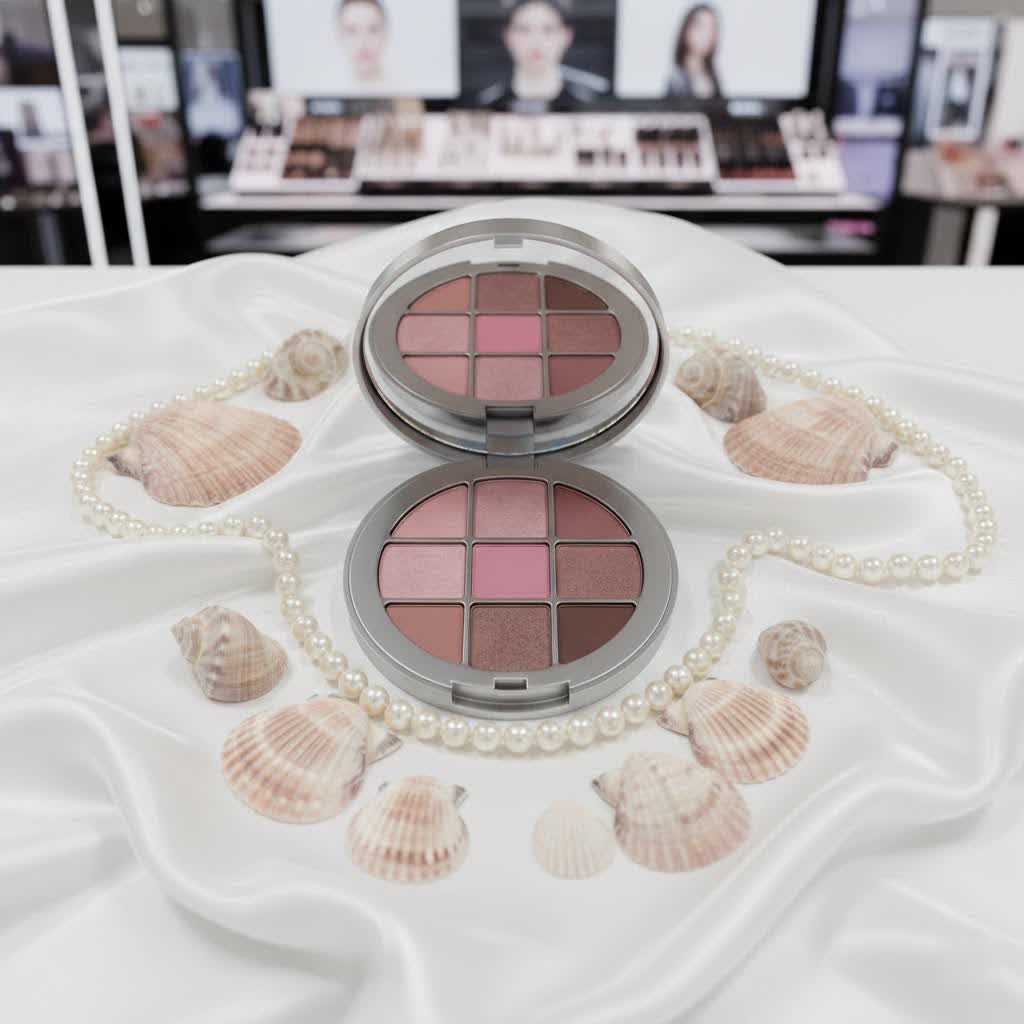
Understanding the Dynamic Duo: Eye Shadow and Eyeliner
At its core, eye makeup is about enhancing and defining the eyes. Eye shadow and eyeliner are the fundamental tools in this endeavor, each playing a distinct yet complementary role. Think of them as the yin and yang of eye aesthetics. Eye shadow provides depth, dimension, and color, laying the foundation for your desired mood or style. It sculpts the eye area, making your eyes appear larger, brighter, or more elongated. Eyeliner, on the other hand, is all about precision and definition. It frames the eyes, creating sharper lines, intensifying the lash line, and adding that crucial “pop” that truly anchors your entire look. Together, they create a harmonious balance, allowing for endless creativity and bespoke finishes that truly express your individuality.
Eyeliner vs. Eyeshadow: When to Use Which?
Choosing between eyeliner and eye shadow, or deciding which to apply first, isn’t about rigid rules; it’s about understanding the unique impact each product offers.
Eyeliner is your go-to for:
- Sharp Lines and Drama: Perfect for creating crisp winged looks, graphic lines, or a bold, defined lash line that truly stands out.
- Tightlining: Applying liner directly into the upper waterline to create the illusion of fuller lashes, a subtle yet impactful technique.
- Intense Definition: When you want your eyes to truly pierce, a well-placed eyeliner delivers undeniable intensity.
Eyeshadow, conversely, excels at:
- Softness and Blending: It’s ideal for smoky eyes, diffused lines, or when you desire a gentler, more understated definition around the eyes.
- Color Versatility: Eyeshadow palettes offer a rainbow of shades, providing far more options for colored liners than traditional eyeliners might. You can even blend multiple shades for an ombré effect.
- A Softer Alternative: For those days when liquid liner feels too harsh or difficult, a damp angled brush with a dark eyeshadow provides a beautifully soft line.
|
Our Picks for the Best Eye Shadow in 2026
As an Amazon Associate I earn from qualifying purchases.
|
||
| Num | Product | Action |
|---|---|---|
| 1 | e.l.f. Perfect 10 Eyeshadow Palette, Ten Ultra-pigmented Shimmer & Matte Shades, Vegan & Cruelty-free, Nude Rose Gold (Packaging May Vary) |

|
| 2 | KYDA 4 Colors Nude Brown Eyeshadow Palette, Netural Brown Glitter Eyeshadow, Warm Shimmer Pearl Eyes Shadow, Eyes Palette, Ultra-fine Lightweight, High Pigment Eyes Glitter Makeup |
|
| 3 | Julep Eyeshadow 101 Cream-to-Powder Waterproof Shadow Stick – Pearl Shimmer – Long-Lasting, Crease-Proof, Light Golden-Beige Shimmer Cream Eyeshadow with Built-in Smudger |
|
| 4 | e.l.f. Perfect 10 Eyeshadow Palette, Ten Ultra-pigmented Nude Shades, Blendable Formula, Vegan & Cruelty-free, Everyday Smoky (Packaging May Vary) |
|
| 5 | MYSTER ROSEY Nudes 2 Series Mini Eyeshadow Palette, Velvety Matte&Satin Finish, 6 Nude Taupe & Brown Neutral Eye Shadows, Travel Friendly Size, Vegan, Cruelty -free |
|
| 6 | Julep Eyeshadow 101 Cream-to-Powder Waterproof Shadow Stick – Rose Shimmer – Long-Lasting, Crease-Proof, Pearlescent Rose Shimmer Cream Eyeshadow with Built-in Smudger |
|
| 7 | Julep Eyeshadow 101 Cream-to-Powder Waterproof Shadow Stick – Putty Matte – Long-Lasting, Crease-Proof, Neutral & Soft Matte Eyeshadow with Built-in Smudger |
|
| 8 | Julep Eyeshadow 101 Cream-to-Powder Waterproof Shadow Stick – Champagne Shimmer – Long-Lasting, Crease-Proof, Medium Golden-Beige Shimmer Cream Eyeshadow with Built-in Smudger |
|
| 9 | Julep Eyeshadow 101 Cream-to-Powder Waterproof Shadow Stick – Taupe Shimmer – Long-Lasting, Crease-Proof, Soft Grey Shimmer Eyeshadow with Built-in Smudger |
|
| 10 | Julep Eyeshadow 101 Cream-to-Powder Waterproof Shadow Stick – Smoky Amethyst Shimmer – Long-Lasting, Crease-Proof, Rich Purple Shimmer Cream Eyeshadow with Built-in Smudger |
|
The Art of Application: Eye Shadow First or Eyeliner First?
This is a question I’ve been asked countless times over my career, and here’s the nuanced truth: there’s no single “right” answer. Your chosen order largely depends on the specific look you’re aiming for and your personal preference.
Applying Eye Shadow First is my most frequent recommendation, especially if you’re building a complex or smoky eye.
- Seamless Blending: When you apply eyeshadow first, you create a canvas that allows for effortless blending and layering of colors. This is crucial for achieving that soft, diffused look without harsh edges.
- Correcting Mistakes: Powder eyeshadow is far more forgiving than liquid or gel eyeliner. If you make a slight misstep, it’s easier to blend it away or clean up fallout before committing to your liner.
- Smoky Eye Foundation: For a truly smoky eye, the eyeshadow forms the primary depth, and then the liner can be smudged into it for seamless integration.
Applying Eyeliner First works wonderfully when:
- Crisp, Defined Lines are Key: If you’re aiming for a super sharp cat-eye or a precise graphic liner, applying it first can help you lay down a clean base. You can then gently apply eyeshadow around it, being careful not to obscure your sharp line.
- Creating a Base for Intense Color: Some artists prefer to use a cream or gel eyeliner as a base to intensify the color of eyeshadow applied on top.
- Tightlining: This technique often works best when done before applying your main eyeshadow to keep the lash line defined without product getting in your eye.
My Pro Tip: While both methods have their merits, I generally lean towards starting with eyeshadow to build a dimensional base, then adding eyeliner to define and sharpen. This approach offers maximum flexibility and control, allowing you to refine your look step by step. However, I always encourage my students and clients to experiment and find the workflow that feels most natural and effective for them.
Techniques for Using Eye Shadow as Eyeliner
Did you know your favorite eyeshadow palette can double as a versatile eyeliner? It’s a fantastic trick for creating softer lines, experimenting with color, or even when you’re simply out of your regular liner!
What Tools Do You Need?
To transform eye shadow into eyeliner, you’ll need just a few key items:
- An Angled Eyeliner Brush: This is non-negotiable. Its fine, slanted bristles allow for precise application, mimicking the effect of a traditional eyeliner pencil or liquid liner.
- Your Favorite Eyeshadow Palette: Matte shades work best for defined lines, while shimmers can add a gorgeous, softer sparkle. Deep browns, charcoals, plums, and blacks are classic choices.
- A Mixing Medium (Optional): Water, setting spray, or a dedicated mixing liquid can dampen your brush, turning powder eyeshadow into a creamy, more intense paste for a liquid-liner effect.
Step-by-Step Guide for a Soft Powder Liner:
- Prep Your Eyelids: Always start with an eyeshadow primer. This creates a smooth canvas, helps your eyeshadow adhere better, and prevents creasing and smudging throughout the day.
- Dampen Your Brush (Optional, for Intensity): For a more pigmented, sharper line, lightly mist your angled brush with setting spray or dip it gently in a drop of water. Blot any excess moisture to avoid a watery application. For a super soft, diffused line, use the brush dry.
- Pick Your Shade: Dip your angled brush into your chosen eyeshadow shade. For best results, I recommend using the deepest matte shades in your palette, as these will give you the most definition. Tap off any excess powder to prevent fallout.
- Apply Along the Lash Line: Starting from the inner corner (or just outside it for a more open look), gently press and drag the brush along your upper lash line, staying as close to your lashes as possible. Use short, controlled strokes to build the line gradually. You can repeat this on the lower lash line for added definition, blending it very close to the lashes for a soft, smoky effect.
- Smudge for a Softer Look: Immediately after applying, use a clean, small smudge brush or a cotton bud to gently blend and diffuse the line. This creates a beautiful, soft-focus effect that’s perfect for everyday wear or a subtle smoky look.
Creating a Winged Look with Eyeshadow:
Yes, you can achieve a gorgeous feline flick using eyeshadow! For a beginner-friendly approach, try the “tape trick.” Place a small piece of painter’s tape or medical tape along your lower lash line, angled upwards towards the tail of your brow. This acts as a guide, ensuring a crisp, sharp wing. Then, using a damp angled brush and your chosen dark eyeshadow, sketch your wing along the tape, building the color and shape. Once you’re happy, carefully peel off the tape to reveal a perfectly defined eyeshadow wing.
Elevating Your Look with Eyeliner and Eye Shadow Combinations
The magic truly happens when eye shadow and eyeliner work in concert, creating depth, dimension, and dazzling effects.
Classic Combinations:
- Nudes and Browns for Everyday Elegance: A sweep of a matte nude or light brown eyeshadow across the lid, paired with a soft brown pencil eyeliner along the upper lash line, creates a polished yet natural look perfect for any day.
- Golds and Bronzes for a Glamorous Touch: For an evening out, blend shimmering gold or bronze eyeshadows on your lid, then define with a black liquid or gel eyeliner for a striking contrast that catches the light beautifully.
- Deep Plums or Greens with Complementary Shadows: Don’t be afraid to experiment with color! A rich plum eyeshadow blended with a deep purple eyeliner can make brown eyes sparkle, while emerald green liner with olive or forest green shadows enhances green eyes.
Smoky Eye Synergy:
A true smoky eye hinges on the seamless transition between eyeshadow and eyeliner. Start by building your smoky eyeshadow layers, blending darker shades into lighter ones. Then, apply a gel or kohl pencil eyeliner along the upper and lower lash lines. Immediately after application, use a small, dense brush to smudge the eyeliner into the darkest eyeshadow, creating a soft, diffused, and utterly captivating smoky effect. This technique allows the liner to become an integral part of the shadow, rather than sitting on top of it.
Tightlining & Waterlining:
These techniques involve applying liner directly to the upper and lower waterlines. For a subtle boost, tightline your upper lash line with a black or dark brown pencil liner before your eyeshadow. This makes your lashes appear fuller without visible liner on your lid. For waterlining, a nude or white pencil on the lower waterline can make eyes appear larger and brighter, especially when combined with a smoky lower lash line created with eyeshadow.
Common Mistakes to Avoid & Pro Tips
Even with years of experience, we all have our little makeup mishaps. Here’s how to sidestep common pitfalls and keep your eye shadow and eyeliner game strong:
- Avoiding Fallout: When using powder eyeshadow as liner, always tap off any excess product from your brush before applying. Using a good primer also helps eyeshadow adhere better, reducing fallout.
- Uneven Lines: Don’t aim for one perfect swipe. Instead, use short, connected strokes to build your eyeliner line gradually. If it’s a bit wobbly, a tiny brush with a dab of concealer can be your best friend for quick clean-ups and sharpening edges. Practice, practice, practice!
- Smudging: To keep your lower lash line eyeliner and eyeshadow from migrating, apply a thin layer of translucent setting powder directly underneath the line. For your upper lid, a setting spray after your makeup is complete will lock everything in place.
- Matching Formulations: Consider how your products interact. Gel liners pair beautifully with metallic or jewel-toned shadows for bold looks. Liquid eyeliners are fantastic for sharp wings over matte or shimmer shades. Pencil liners are your best friend for smudging and blending, especially with smoky eyeshadows.
FAQs about Eye Shadow & Eyeliner
1. Can I really use any eyeshadow as eyeliner?
Yes, absolutely! Most powder eyeshadows can be transformed into eyeliner, especially matte and highly pigmented shades. For best results, dampen an angled brush with water or setting spray before dipping into the shadow.
2. What kind of brush is best for applying eyeshadow as eyeliner?
An angled eyeliner brush with fine, dense bristles is ideal. Its slanted shape allows for precise application, mimicking the effect of a traditional eyeliner pencil or liquid liner.
3. How do I prevent my eyeliner from smudging with eyeshadow?
Using an eyeshadow primer beforehand is crucial. For powder eyeshadow used as liner, dampen your brush with setting spray for better adherence. For traditional eyeliners, applying a thin layer of matching eyeshadow over your liner can help set it and prevent smudging. Finishing with a setting spray also works wonders.
4. Is it better to use wet or dry eyeshadow for liner?
It depends on the look you want. Use dry eyeshadow for a soft, diffused, and more natural line. Dampen your brush with water or setting spray for a more intense, pigmented, and sharper line, mimicking a liquid liner.
5. How can I create a subtle everyday look with both?
Start with a neutral matte eyeshadow over your lid. Then, use a deep brown or charcoal eyeshadow applied with a damp angled brush, or a soft brown pencil liner, along your upper lash line, keeping the line thin and close to the lashes. Blend gently for a soft definition.
6. What is tightlining and how does it relate to eye shadow and eyeliner?
Tightlining involves applying eyeliner to your upper waterline, at the base of your lashes. This technique makes your lashes appear fuller and darker without a visible line on your eyelid. It works wonderfully with eyeshadow by providing an underlying definition that makes your eye makeup look more complete and impactful.
7. How do I choose the right colors for my eye color?
While any color can be worn, certain shades enhance specific eye colors. For blue eyes, try coppers, golds, and warm browns. Green eyes pop with plums, mauves, and deep greens. Brown eyes are incredibly versatile and can carry almost any color, but blues, purples, and teals look particularly stunning. Experiment and see what makes your eyes sparkle!
Mastering the intricate dance between eye shadow and eyeliner is truly a transformative skill in makeup artistry. It’s about more than just applying products; it’s about understanding light, shadow, and how to create the illusion of depth and definition. I encourage you to see your makeup routine as a creative exploration, a chance to play and discover new facets of your beauty. Don’t be afraid to try new techniques or experiment with different color combinations. The more you practice and play with eye shadow and eyeliner, the more confident you’ll become, creating eye looks that are not just beautiful, but uniquely you. So grab your brushes, dive into your palettes, and let your eyes do the talking! Share your dazzling creations with us on ceubc.com – we’d love to see them!
